Designing
Learning Environments for Alternative Futures (LEAF) Group


Vision
At LEAF group, we work collaboratively with educators, community partners, practitioners and learners to co-design learning that supports critical inquiry, skills and motivation to imagine flourishing futures. This entails a deep understanding of the ways in which we are a part of the larger ecosystem. Scientific inquiry offers powerful ways to understand the world, but can also perpetuate abstract, extractive, and partial accounts of nature in an objectified manner. Developing expansive forms of inquiry requires paying attention to contexts that help learners leverage their situated, embodied experiences to build a relational understanding of the more-than-human world they are part of. It also entails supporting transdisciplinary forms of inquiry that can help unlearn assumptions of disciplines, while also engaging with multiple forms of knowing. Some questions animating our research are:
-
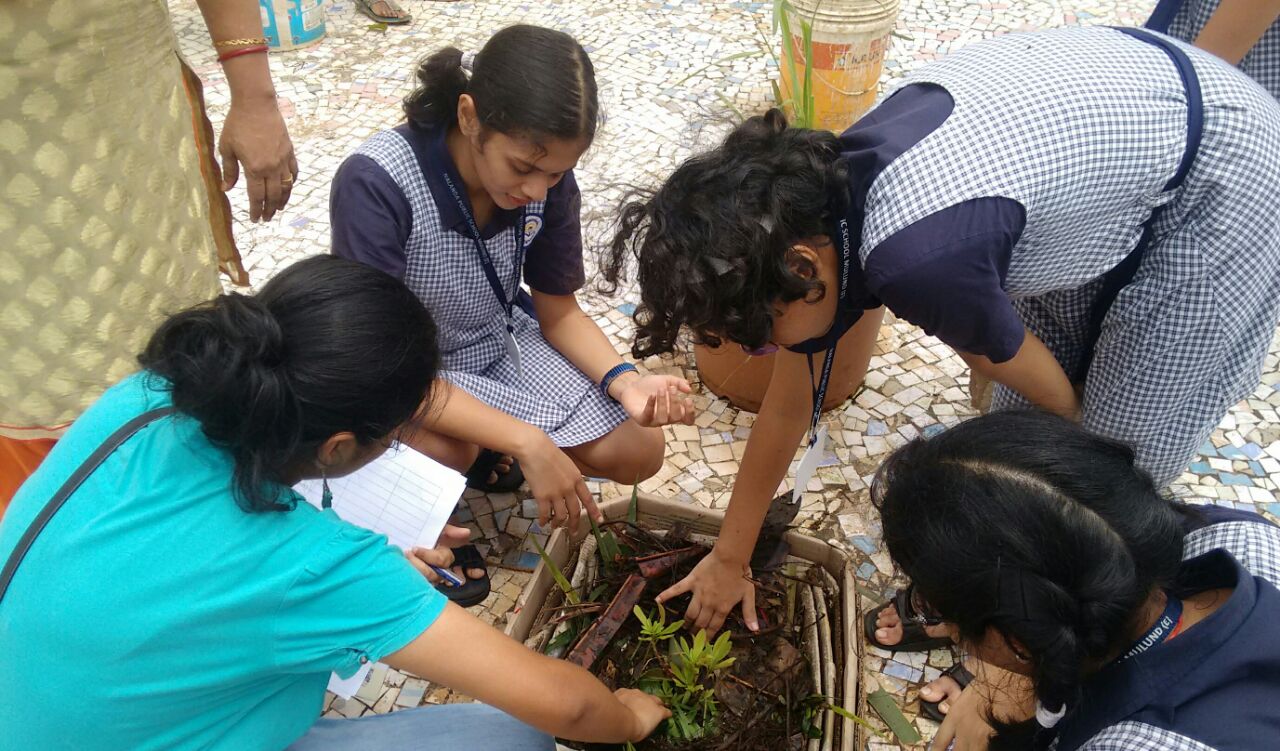
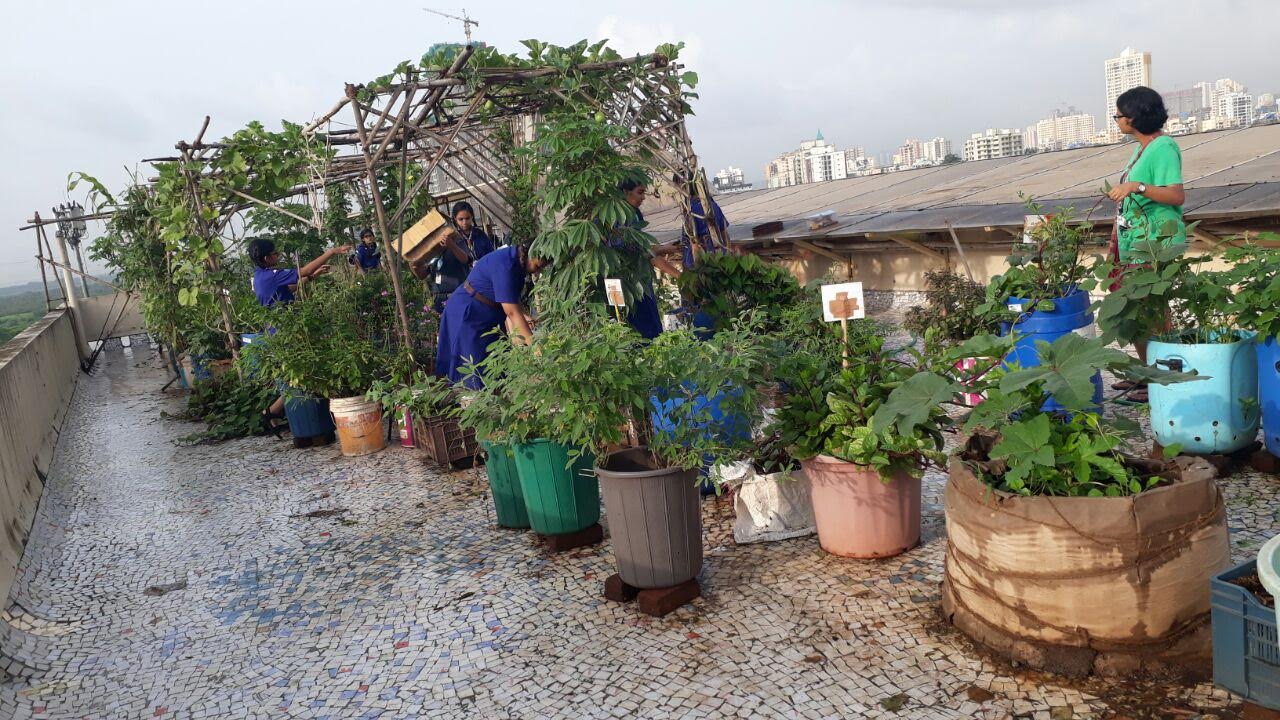
How to design learning ecosystems based on deep, hands-on engagements with environmental issues?
-
To help youth and children engage in actions beyond information and literacy?
-
-
How to co-create with them, processes and contexts to promote science education for ecological flourishing?
-
How to reorient existing motivations and values, through critical engagement with the nature of science?
To this end, we are keen on exploring how we learn, know, and imagine otherwise through our relationships with people, places, technologies, and the living world. Theoretically, we are inspired by learning theories that understand meaning-making as fundamentally constituting histories of social relations, cultural artefacts, and interaction with physical environments.
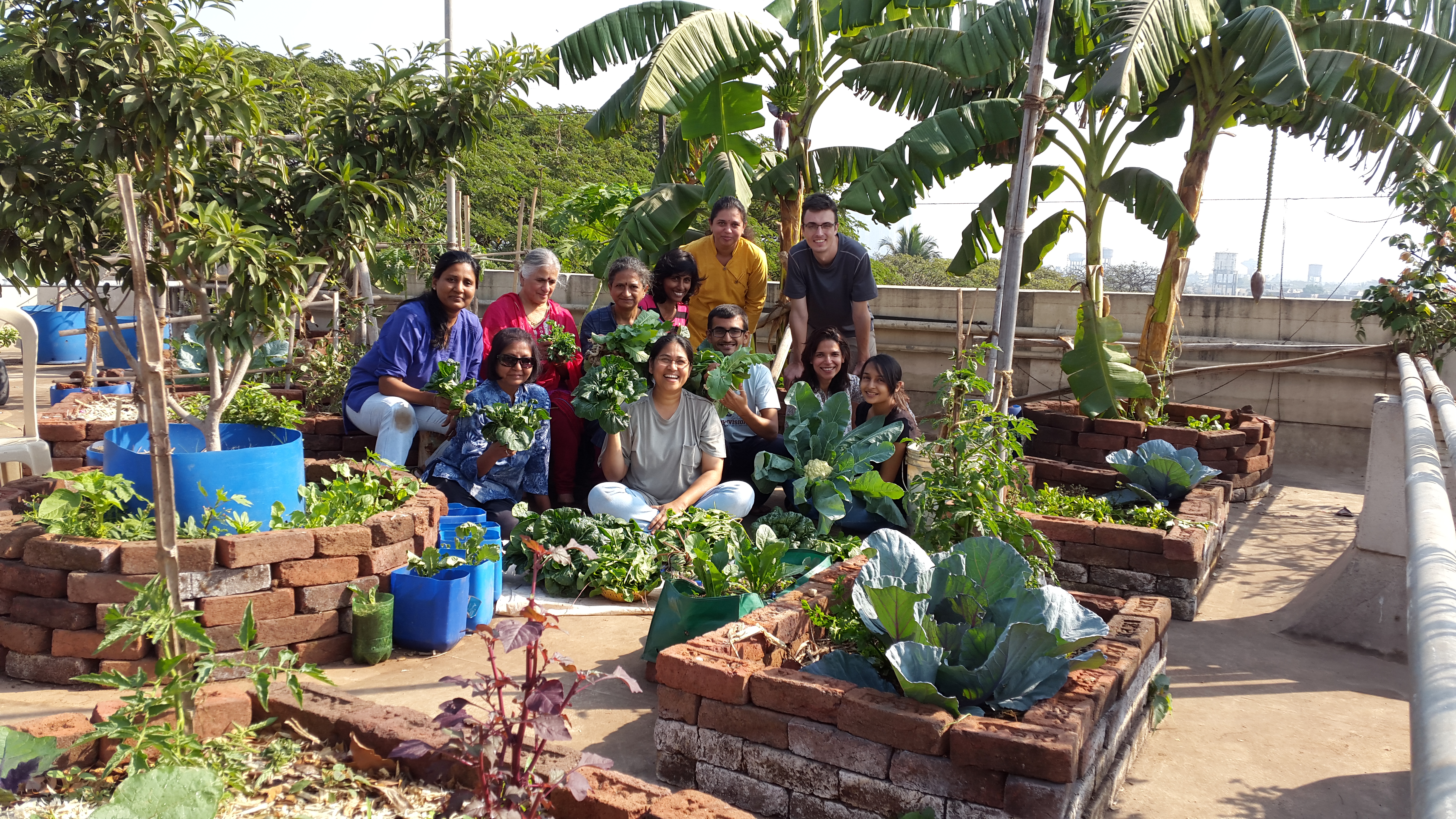
Specifically, our work draws on initiatives emerging from land-based learning projects, citizen science, and civic ecology practices to examine dimensions of scientific inquiry, agency, and the role of physical environments in supporting community-oriented practices. The research primarily emerges from long-term field work in diverse settings, and uses qualitative methods such as interviews, participant observations, audio-video analysis.
Explore this website to learn more about the group and projects. We are always looking for meaningful collaborations. Feel free to reach out to deborah.dutta@iiserpune.ac.in if you are interested in our work.